
Best Materials for Closet Cabinetry, Explained
Closets Beyond6 min read
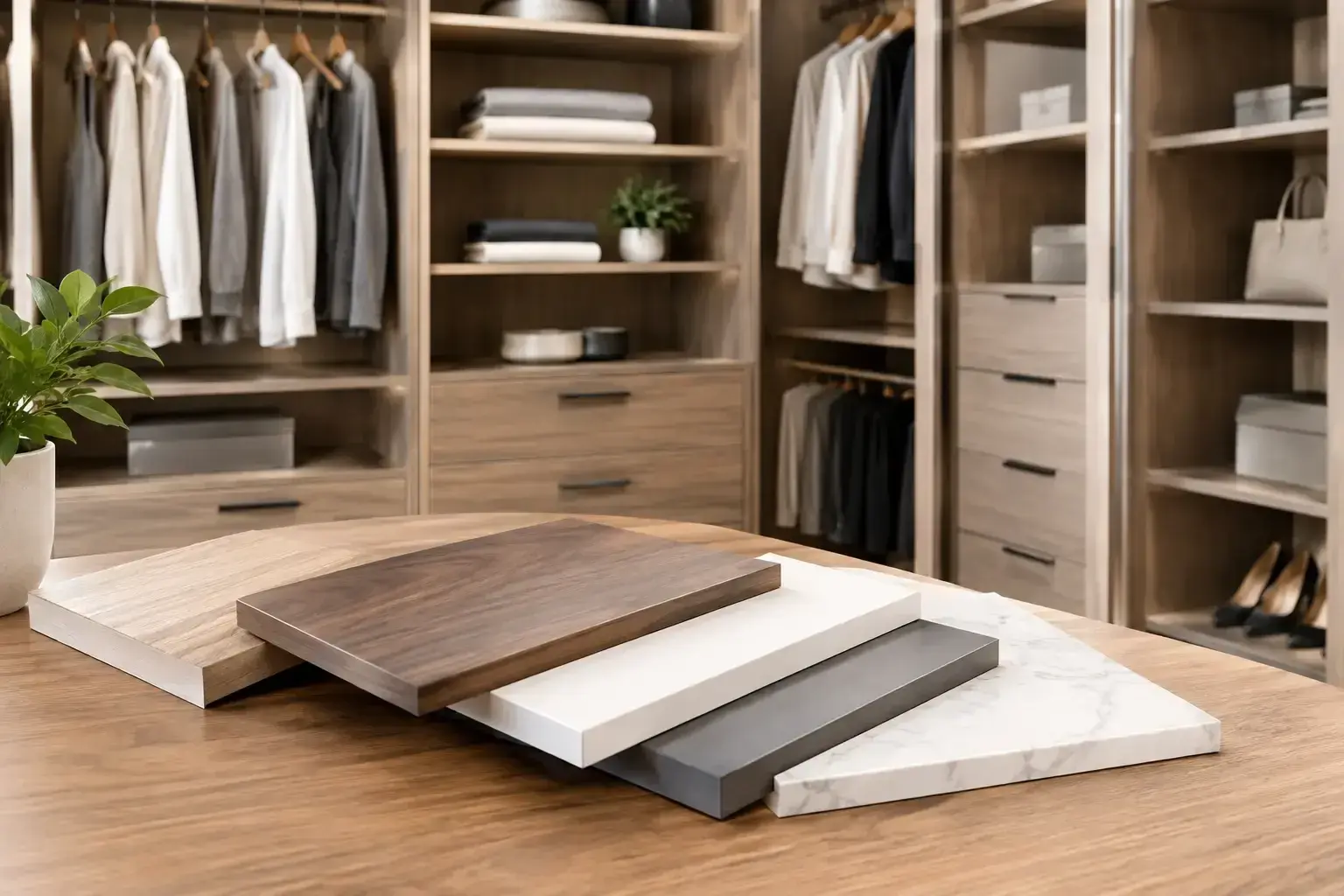
A closet can look beautifully organized on installation day and still disappoint a few years later if the cabinetry was not built for the way you live. Sagging shelves, chipped edges, swollen panels, and finishes that show every fingerprint all start with one decision: material selection. The best materials for closet cabinetry are not simply the most expensive ones. They are the ones that suit your space, climate, wardrobe, and expectations for daily use.
For homeowners who want a polished, lasting result, the conversation should go beyond color samples. Cabinet construction, panel thickness, surface finish, edge treatment, and installation quality all influence how your closet performs over time. A well-designed system brings those details together, so your space feels considered from the first drawer pull to the last shelf.
What the Best Materials for Closet Cabinetry Have in Common
Quality closet cabinetry needs to do several jobs at once. It should support folded clothing, shoes, handbags, and storage bins without bowing. It should be easy to clean, hold its color, and coordinate with the rest of the home. In South Florida and other humid climates, it also needs to stand up to changing moisture levels inside the home.
The strongest material choice depends on the application. A reach-in closet for seasonal clothing has different demands than a large walk-in with deep drawers, a center island, glass-front display cabinets, and integrated lighting. A garage or laundry room requires still another level of moisture and impact resistance.
Rather than choosing based on a label alone, look at the full construction. Thick cabinet-grade panels, properly supported shelves, durable edge banding, quality hardware, and precise installation often matter as much as the core material itself.
Thermally Fused Laminate: The Custom Closet Standard
For most residential closets, thermally fused laminate, often called TFL or melamine, is an excellent balance of beauty, performance, and value. It is made by permanently bonding a decorative, resin-infused paper surface to an engineered wood core under heat and pressure. The result is a smooth, durable panel available in an extensive range of colors and textures.
TFL is especially well suited to closet interiors because it is easy to maintain. A soft cloth and mild cleaner are usually all that is needed to keep it looking fresh. It resists everyday scuffs better than painted surfaces, does not require refinishing, and can convincingly create the look of matte linen, warm wood grain, clean white, or modern textured finishes.
Not all laminate cabinetry is equal, however. Lower-grade panels can have thinner surfaces, weaker cores, and edges that are more likely to chip or separate. Premium closet systems use substantial panels and carefully applied edge banding to protect exposed sides and create a refined, furniture-like appearance. This is particularly important at shelves, drawer fronts, and vertical panels that see frequent contact.
For a family closet, linen storage, pantry, or home office, TFL often offers the best practical return. It delivers a tailored look without asking homeowners to treat their storage like fine furniture.
When laminate is the right choice
Choose a premium laminate system when you want dependable durability, a broad finish selection, and straightforward maintenance. It is also a smart option when cabinetry needs to coordinate across several areas of the home, such as closets, a mudroom, laundry room, and home office.
Plywood: A Strong Upgrade for High-Demand Areas
Plywood is built from thin layers of wood veneer bonded together with alternating grain directions. This layered construction gives it excellent strength and screw-holding ability, making it a respected choice for cabinet boxes and areas that carry heavier loads.
In closet cabinetry, plywood can be especially valuable for wide shelves, large drawer banks, built-in islands, and wall units designed to hold dense items. It is generally more resistant to sagging than basic particleboard when comparable thickness and support conditions are considered. Cabinet-grade plywood also performs well when paired with a quality veneer, laminate, or painted finish.
The trade-off is cost. Plywood typically commands a higher price than engineered panel products, and its natural veneer edges require thoughtful finishing to achieve a clean, consistent appearance. It is not automatically necessary for every closet. In a standard wardrobe system with properly engineered supports, premium TFL can perform exceptionally well.
Plywood earns its place where strength is the priority or where a project calls for a higher-end painted or wood-veneer construction. It is also worth considering in utility spaces where cabinetry will receive harder use.
MDF: Ideal for Smooth Painted Details
Medium-density fiberboard, or MDF, is an engineered wood product made from fine wood fibers and resin compressed into dense, smooth panels. Its smooth surface makes it a strong foundation for painted cabinetry, especially when a design includes decorative drawer fronts, applied molding, fluted details, or a custom furniture profile.
Unlike plywood, MDF does not have a grain pattern or layers that can show through paint. This allows for a clean, uniform finish that feels especially at home in a dressing room, bedroom built-in, or refined closet island. It also machines precisely, which helps create crisp routed details.
MDF does have limitations. It is heavy, and unfinished edges must be thoroughly sealed. Standard MDF can be vulnerable to moisture if water reaches the core, so it should not be the default choice for damp environments or areas with a known leak risk. Moisture-resistant MDF is available for certain applications, but it still benefits from careful design and proper ventilation.
For homeowners drawn to painted, tailored cabinetry, MDF can be a beautiful choice when used in the right location and finished by experienced professionals.
Solid Wood and Veneer: Where Natural Character Matters
Solid wood brings warmth, depth, and natural variation that manufactured surfaces cannot fully replicate. It is often used for visible accents, drawer fronts, door frames, decorative trim, and specialty details rather than every cabinet box. Wood moves with changes in temperature and humidity, so knowledgeable fabrication is essential.
Wood veneer offers another elevated option. A thin layer of real wood is applied over a stable substrate, providing the character of oak, walnut, or other species while helping control cost and movement. Veneer can be an excellent selection for a statement closet island, a display cabinet, or a built-in that connects visually with other woodwork in the home.
These materials require more care than laminate. Natural wood and veneer can scratch, fade, or change tone over time, particularly with direct sunlight. For many homeowners, that evolving character is part of the appeal. For others, a textured wood-look laminate offers a more carefree alternative with a similar visual direction.
Do Not Overlook Edges, Hardware, and Shelf Design
A cabinetry material is only as good as the details surrounding it. Exposed panel edges should be protected with durable edge banding that is carefully matched to the finish. This small detail helps prevent chipping and keeps closet components looking polished after years of hangers, bins, and daily traffic.
Shelf thickness and span also matter. Even a quality panel can sag if a shelf is too long, too thin, or improperly supported. Long shelves for handbags, stacked denim, or heavy storage boxes may need thicker material, additional dividers, or discreet support. A thoughtful designer plans for what will actually live in the closet rather than relying on generic dimensions.
Drawer hardware deserves the same attention. Full-extension, soft-close glides make it easier to access every item, while quality hinges keep doors aligned and operating quietly. These are functional details you notice every morning, not optional upgrades hidden from view.
Matching Materials to Your Space
The right material selection starts with an honest look at how the space will be used. A primary walk-in closet may call for durable laminate cabinetry with an MDF-painted island or veneer accents. A child’s closet benefits from easy-clean surfaces and adjustable components that can change as storage needs evolve. A garage needs resilient finishes and cabinetry designed for heavier, less delicate items.
Humidity also deserves special consideration in South Florida homes. While climate-controlled interiors offer protection, closets near exterior walls, laundry areas, or bathrooms may face more moisture exposure than expected. Materials should be selected and installed with those conditions in mind, and any source of leaks or poor ventilation should be addressed before new cabinetry is added.
At Closets Beyond, material choices are considered alongside layout, finish, lighting, accessories, and the home’s overall design. Seeing the complete plan in 3D before production helps homeowners make confident decisions about what will look right and work hard in their space.
The most satisfying closet is not built from a single “best” material. It is built from the right combination of materials, thoughtful engineering, and details that support your routine. When every panel, shelf, and drawer has a purpose, getting ready becomes less about managing clutter and more about enjoying a home that works beautifully for you.
See your space in 3D before anything is built.
Every consultation includes a 3D design of your space. Your designer measures, plans it with you and gives you a quote that fits your budget.
- 5.0 from 24 Google reviews
- Lifetime guarantee on our imported materials
954-213-5836Open Mon–Sat 8–6