How to Design Efficient Pantry Zones at Home
Closets Beyond7 min read
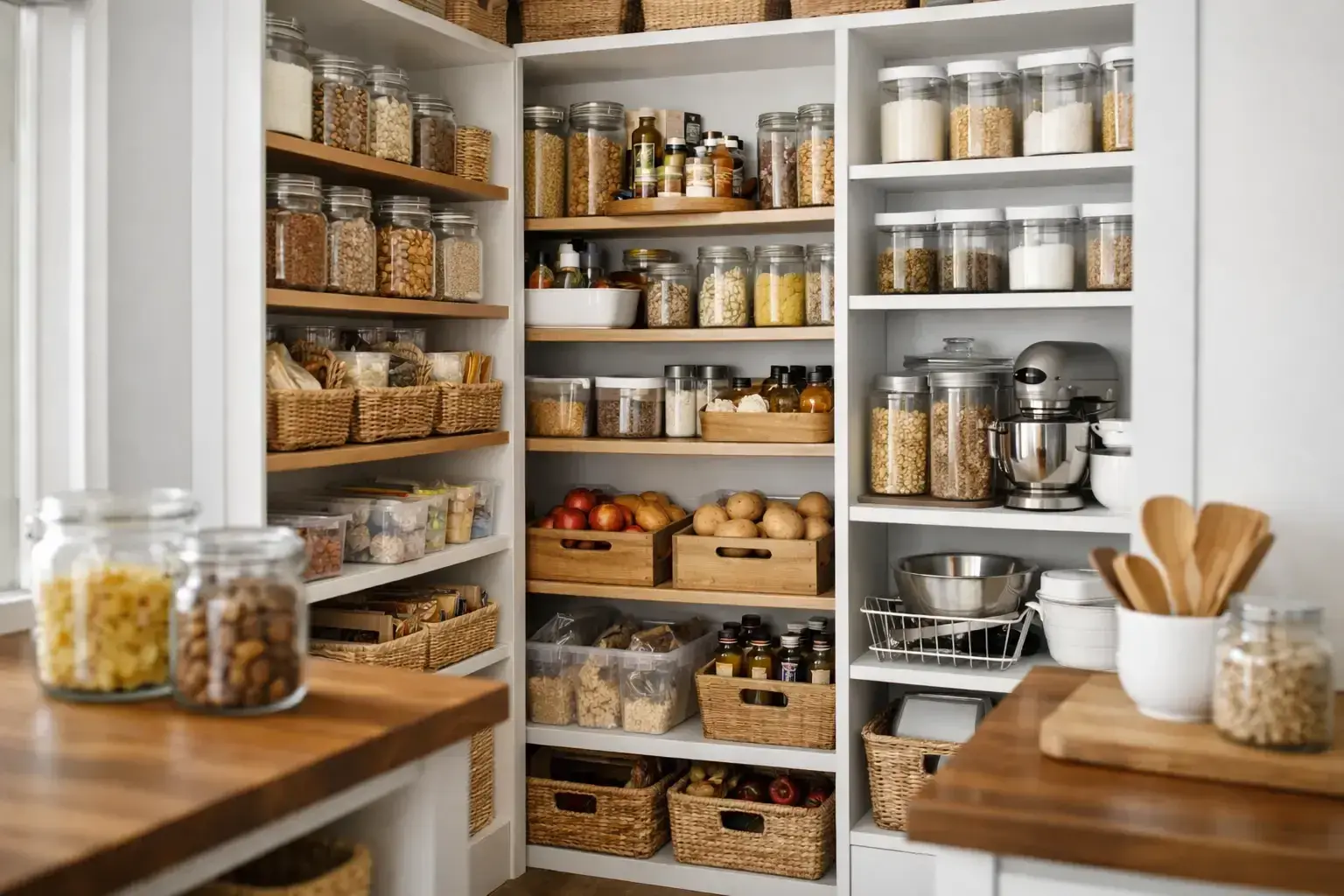
The pantry often becomes the place where good intentions go to hide: duplicate pasta boxes, snacks pushed behind baking supplies, and bulky appliances claiming the shelves meant for groceries. To design efficient pantry zones, start by treating the space as a working room, not simply a cabinet for overflow. A well-planned pantry makes everyday routines faster, reduces food waste, and brings a composed, purposeful feel to the heart of your home.
Start With How Your Household Actually Uses the Pantry
The most beautiful pantry layout will still feel frustrating if it does not match the way your family shops, cooks, and entertains. Before selecting shelves, pull-outs, or containers, take inventory of what comes through the door each week. Consider who reaches into the pantry, what they reach for most often, and whether the space supports quick weekday meals, frequent entertaining, bulk shopping, or all three.
A family with school-age children may need an easy-access snack area at a lower height. Homeowners who enjoy cooking from scratch may prioritize a generous baking zone near dry goods and specialty ingredients. If you host often, dedicate space for serving pieces, extra beverages, and disposable entertaining supplies rather than allowing them to compete with daily staples.
This step also reveals what should not live in the pantry. Appliances used only a few times a year, excess paper goods, and items that belong in the garage can quickly consume valuable shelf space. Custom organization works best when every category has a purposeful home.
Design Efficient Pantry Zones Around Daily Tasks
A pantry is easiest to maintain when its zones follow the natural rhythm of meal planning, preparation, and cleanup. Rather than organizing solely by food type, group items according to the task they support. This approach keeps related supplies together and reduces the back-and-forth that makes cooking feel more complicated than it needs to be.
Create a high-frequency everyday zone
The most-used items deserve the most accessible real estate, typically between waist and eye level. This is where everyday cereal, coffee, tea, lunchbox items, pasta, sauces, and favorite snacks belong. Adjustable shelves are especially useful here because grocery packaging changes often, and a shelf that fits a cereal box may not accommodate a tall bag of chips or a family-size canister.
Open shelving makes staples easy to see, but visibility is only helpful when the category is contained. Clear bins or coordinated canisters can give everyday items a polished look while keeping small packages from spreading across the shelf.
Give baking supplies their own home
Baking ingredients work best as a dedicated group. Flour, sugar, sprinkles, extracts, chocolate chips, and decorating tools are easier to find when they are not scattered between breakfast foods and dinner staples. If possible, place this zone close to a counter-height work surface or near the kitchen entrance for easier prep.
Deep drawers or pull-out shelves are particularly practical for heavier bags and baking tools. They bring items forward without requiring you to crouch and search the back of a deep cabinet. For homeowners who bake frequently, a shallow drawer for measuring cups, rolling pins, and mixers can make the pantry feel like a true extension of the kitchen.
Separate cooking staples from specialty ingredients
Olive oil, vinegar, rice, beans, canned vegetables, broths, and spices should be easy to scan and replenish. Shallow shelving is often more effective than overly deep shelves for these categories. It prevents smaller jars and cans from disappearing behind larger packages.
Specialty ingredients, seasonal items, and less frequently used sauces can live slightly higher or lower. The goal is not to make every item equally prominent. It is to give the things you use most a convenient home and move occasional items out of the daily workflow.
Build a snack zone people can manage themselves
A contained snack zone can make a meaningful difference in a busy household. Place child-friendly options on lower shelves in clearly defined bins, while keeping treats or portion-controlled items in a separate location. This supports independence without turning the pantry into a daily cleanup project.
Labels can help, especially when several family members use the space. Keep them simple and category-based, such as salty snacks, breakfast bars, lunchbox snacks, or after-school. The objective is not perfection. It is making it obvious where items belong when groceries are unpacked.
Make room for bulk and backstock
Buying in bulk can save time and money, but it only works when the pantry has a planned location for reserve supplies. Use upper shelves, deeper cabinetry, or a separate backstock area for extra paper towels, canned goods, beverages, and unopened packages. Keep the everyday zone stocked from this reserve rather than placing multiple open packages on the same shelf.
This is one area where it depends on your shopping habits. If you shop weekly and have limited storage, a large backstock zone may not be necessary. If you prefer warehouse-size purchases or prepare for hurricane season in South Florida, dedicated bulk storage brings welcome order and peace of mind.
Choose Storage Features That Make Every Inch Work Harder
Efficient pantry design is about more than adding shelves. The right combination of depths, heights, and access features can turn an awkward footprint into a space that feels generous and intuitive.
Pull-out shelves are a strong choice for lower cabinets, where deep fixed shelves can hide food and require uncomfortable bending. They are also ideal for heavier items, since you can see and reach the full contents at once. Narrow pull-outs work well for spices, oils, wraps, and smaller pantry staples that can otherwise get lost.
Drawers add a refined, furniture-like feel while making categories easy to contain. They are especially useful for snacks, baking tools, linens, and pet supplies. For a more open pantry, adjustable shelving allows the layout to evolve as your family changes its routines or preferences.
Do not overlook vertical space. Tall cabinets can accommodate brooms, step stools, trays, and oversized serving platters, while upper shelves provide practical storage for holiday items and less-used appliances. A custom pantry can be designed around the exact dimensions of your home, avoiding the wasted gaps that often come with standard shelving.
Plan for Visibility Without Over-Organizing
A pantry should feel calm, but it does not need to look like a showroom to function beautifully. Decanting every item into matching containers can create a polished appearance, yet it also requires time and upkeep. For many households, a balanced approach is more sustainable: use containers for loose dry goods and small packages, and keep recognizable packaged products where they are easy to see.
Reserve clear containers for flour, sugar, rice, cereal, pasta, and other staples that benefit from freshness and quick visibility. Use bins for packets, snack bags, and similar-sized items. Labels should guide the household, not create pressure. If a system is too complicated to reset after a busy week, it will not stay organized for long.
Good lighting also changes how a pantry performs. Integrated lighting can brighten deep shelves, help prevent duplicate purchases, and give the space a finished, elevated look. It is a small detail with an outsized effect, especially in walk-in pantries with limited natural light.
Account for Traffic, Doors, and Nearby Workspaces
A pantry does not function in isolation. Its location within the kitchen and the surrounding traffic pattern should influence the design. In a narrow walk-in pantry, shelves that are too deep on both sides can make the aisle feel cramped. A mix of standard-depth shelving on one wall and shallower storage on the other can preserve comfortable movement.
Door style matters as well. Swing doors need clearance, while pocket or barn-style doors can be useful in tight spaces, depending on the home’s layout and architectural style. If the pantry is near a refrigerator, microwave, or prep counter, keep frequently used items closest to that point of use.
For larger homes, a pantry can also support a beverage station or secondary serving area. Dedicated cabinetry for glassware, coffee supplies, and small appliances can ease congestion in the main kitchen while making entertaining more enjoyable.
Bring the Plan to Life With Custom Design
A custom pantry is most successful when storage is designed around your inventory, your routines, and the proportions of your home. Measurements matter, but so do the details that are harder to capture in a standard product: the height of your favorite cereal containers, the amount of backstock you keep, or the need for a discreet place to store pet food and serving trays.
With in-home planning and 3D visualization, homeowners can see how shelf heights, drawers, finishes, and access features will work before installation begins. At Closets Beyond, that personalized process helps transform an underused pantry into a thoughtfully finished space designed for the way you live.
The best pantry is not the one with the most containers or the most shelves. It is the one that makes putting groceries away feel simple, finding ingredients feel effortless, and everyday life feel a little more settled.
See your space in 3D before anything is built.
Every consultation includes a 3D design of your space. Your designer measures, plans it with you and gives you a quote that fits your budget.
- 5.0 from 24 Google reviews
- Lifetime guarantee on our imported materials
954-213-5836Open Mon–Sat 8–6