
How to Maximize Garage Wall Storage at Home
Closets Beyond6 min read
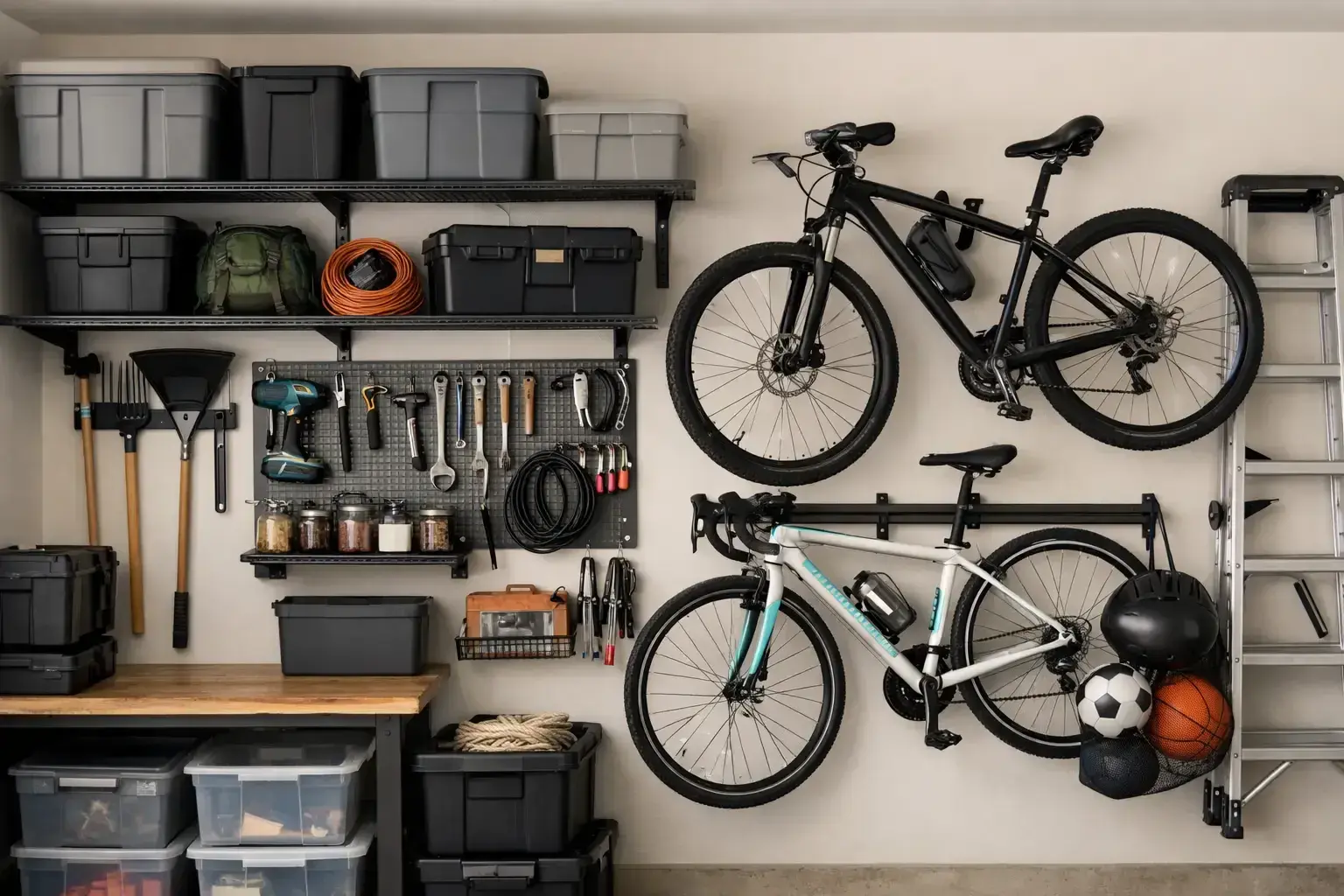
The garage often becomes the place where household essentials go when there is nowhere else to put them. Bikes lean against lawn equipment, paint cans disappear behind boxes, and the car gradually loses its spot. To maximize garage wall storage, the answer is not simply adding more shelves. It is designing a wall system around how your household actually uses the space.
A well-planned garage gives every item a clear home while keeping the floor open, the walkways safe, and everyday equipment easy to reach. For South Florida homeowners in particular, protecting tools, sports gear, and seasonal supplies from heat, humidity, and dust also matters. The right custom system brings practical order to a hardworking room without making it feel like a warehouse.
Start With the Floor, Not the Wall
Before choosing cabinets, slatwall, or shelving, look at what needs to remain on the garage floor. Vehicles, large wheeled equipment, and occasionally a workbench may need that real estate. Everything else is a candidate for vertical storage.
This shift changes the way a garage functions. When rakes, ladders, bicycles, folding chairs, and garden tools are lifted from the floor, the room immediately feels larger. More importantly, it becomes easier to park, sweep, access stored items, and move safely through the space.
A custom design begins with accurate measurements, including ceiling height, electrical panels, water heaters, windows, doors, and vehicle clearance. These details determine where storage can go without obstructing access or creating a layout that looks good on paper but fails in daily life.
Build Storage Zones Around Real Routines
The most useful garages are organized by activity, not by whichever items happen to fit on a shelf. A family that spends weekends at the beach needs a different setup from a homeowner who gardens, works on cars, or manages a growing collection of tools.
Consider creating distinct zones for the items your household reaches for most often:
- Active-use equipment for bikes, golf bags, strollers, coolers, and sports gear near the garage door.
- Yard and garden supplies for tools, hoses, soil, and outdoor maintenance items near the side or exterior door.
- Project storage for power tools, hardware, paint, and cleaning supplies near a work surface.
- Long-term storage for holiday décor, keepsakes, and infrequently used items higher on the wall or overhead.
The goal is simple: frequently used items should be within comfortable reach, while seasonal and backup supplies can occupy the upper zones. This reduces the familiar cycle of pulling out half the garage to locate one item.
Give Every Category a Defined Boundary
Open shelving has a place in a garage, especially for bins and bulky supplies. Yet shelves alone can quickly become catch-all surfaces. Pairing open storage with enclosed cabinets creates a more intentional result.
Cabinets keep visual clutter contained and protect supplies from dust. They are especially useful for chemicals, automotive products, paint, pet supplies, and anything that should not be left within easy reach of children. Open shelving, meanwhile, works well for labeled containers and objects that are easier to grab when visible.
A refined garage does not require every item to be hidden. It requires each category to have a boundary. When bins, cabinets, hooks, and shelves work together, the room feels composed rather than crowded.
Use Slatwall for Flexible, Accessible Storage
Slatwall is one of the most effective ways to maximize garage wall storage because it adapts as your needs change. Unlike fixed hooks installed one at a time, a slatwall system allows baskets, hooks, racks, and specialty holders to be moved without leaving a patchwork of holes behind.
This flexibility is valuable for families. Children outgrow bikes, hobbies shift, and sports equipment changes with the seasons. A wall that can be reconfigured keeps the garage useful long after installation day.
Slatwall is particularly effective for vertical tools, helmets, extension cords, folding chairs, and lawn equipment. The key is selecting accessories that match the weight and shape of what you own. A heavy-duty bike rack, for example, serves a different purpose than a small utility hook. Properly planned hardware protects both the wall system and the equipment it holds.
Choose Cabinets That Work Harder Than Shelves
Garage cabinetry should be selected for more than appearance. Quality materials, durable finishes, adjustable interiors, and professional installation all matter in a space exposed to temperature swings and daily wear.
Tall cabinets are ideal for brooms, shovels, fishing rods, and other awkward items that do not sit neatly on standard shelves. Base cabinets can support a worktop, creating a convenient landing place for small repairs, potting projects, or packing for a weekend away. Wall-mounted cabinets preserve floor clearance below, which makes cleaning easier and creates a lighter visual profile.
The best configuration depends on how you use the garage. If you regularly complete home projects, a continuous work surface with drawers for hardware may be worthwhile. If storage is the priority, floor-to-ceiling cabinets and a dedicated section for large bins may provide more value. Custom design gives you the freedom to make that choice without forcing every household into the same layout.
Plan for the Items That Create the Most Frustration
A few awkward items tend to cause most garage clutter: ladders, bicycles, hoses, coolers, folding tables, and oversized tools. Address these early in the design process rather than treating them as an afterthought.
Ladders can be safely secured along a high wall or ceiling-adjacent area, provided there is enough clearance to remove them easily. Bicycles may be stored vertically, horizontally, or with a lift system depending on wall space, rider height, and how often they are used. Hoses need a dedicated reel or holder so they do not migrate across the floor.
It is also wise to reserve room for future purchases. A garage system packed to capacity on day one will not stay organized for long. Leaving a small amount of adaptable wall space provides breathing room as your household changes.
Keep Safety and Access at the Center of the Design
A polished garage should never sacrifice safety for storage capacity. Electrical panels, garage door mechanisms, utility connections, and fire safety equipment must remain accessible. Heavy items should be stored low or mounted with hardware designed for their weight. Chemicals, sharp tools, and automotive products belong in secure storage.
Clear walkways are equally important. Storage should support the path from the car to the home, not narrow it. If a system interferes with opening vehicle doors, loading groceries, or accessing the laundry area, it needs to be adjusted.
Professional planning makes these trade-offs easier to solve. During a design consultation, a specialist can evaluate the room as a whole, account for obstacles, and show how cabinetry, wall storage, and work surfaces will look before installation begins. At Closets Beyond, 3D visualization helps homeowners make confident decisions about proportion, placement, and finishes before the garage is transformed.
Make the Garage Feel Like Part of the Home
The garage may be functional, but it is still part of your home. Coordinated finishes, clean cabinet lines, and thoughtfully selected accessories can make it feel as considered as a pantry, mudroom, or laundry room.
This does not mean choosing style over utility. It means choosing materials that can handle the job while creating an organized environment you will want to maintain. Neutral cabinetry, durable worktops, and integrated wall storage create a finished look that elevates daily routines, from finding a screwdriver to loading the car for a family outing.
The most successful garage storage design is one you barely have to think about. When the floor stays clear, equipment is protected, and every wall earns its place, the garage becomes less of a holding zone and more of a calm, capable extension of your home.
See your space in 3D before anything is built.
Every consultation includes a 3D design of your space. Your designer measures, plans it with you and gives you a quote that fits your budget.
- 5.0 from 24 Google reviews
- Lifetime guarantee on our imported materials
954-213-5836Open Mon–Sat 8–6