
Pantry Cabinets That Make Kitchens Work Harder
Closets Beyond6 min read
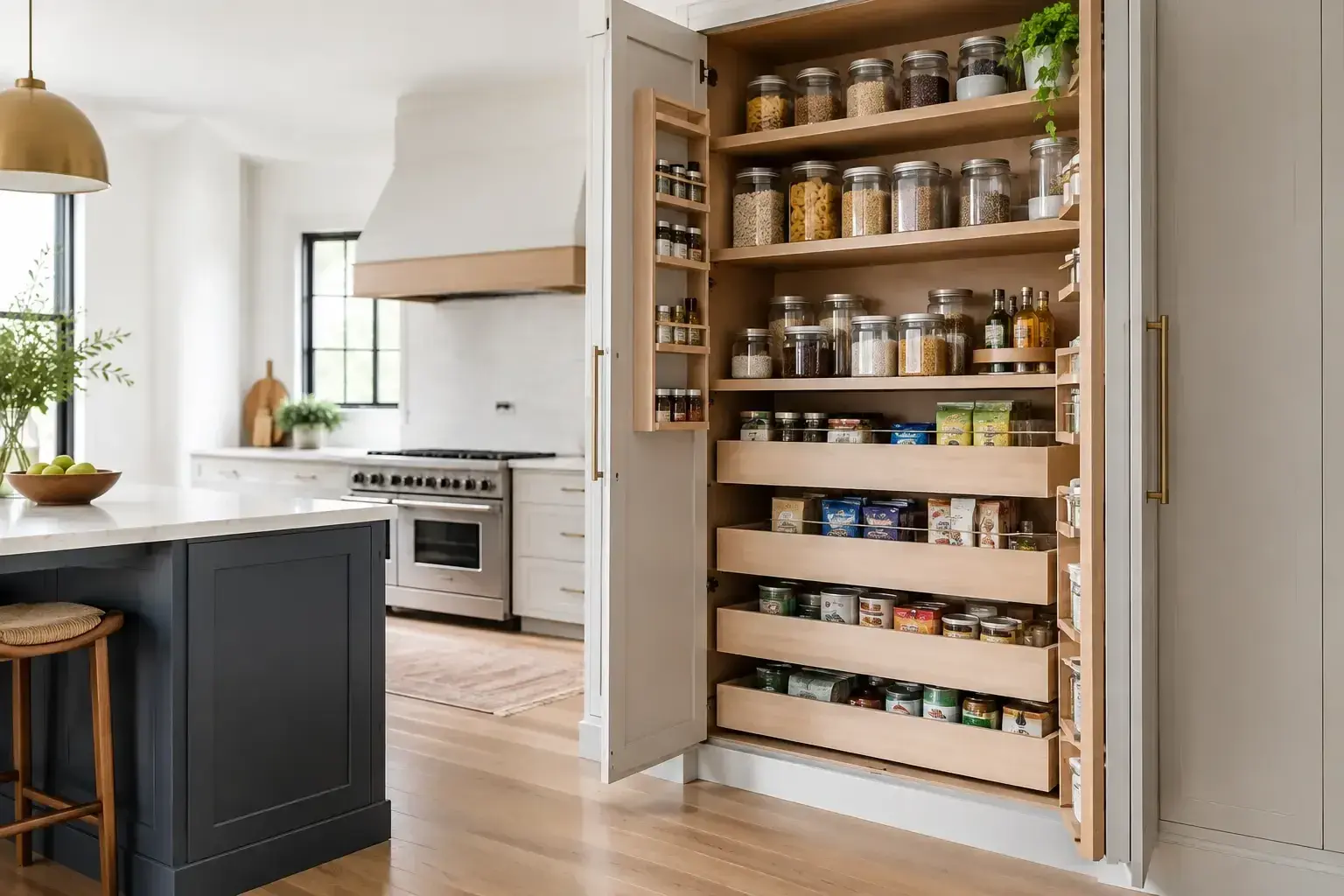
A pantry should not be the place where groceries disappear, bulk purchases pile up, and weeknight dinner prep becomes a scavenger hunt. Thoughtfully designed pantry cabinets create a clear home for every category, from everyday snacks and baking supplies to oversized appliances and entertaining essentials. The result is more than a tidier kitchen. It is a calmer, more efficient routine built around the way your household actually lives.
For South Florida homeowners, pantry storage often has to work especially hard. Open-concept kitchens put storage on display, busy families need quick access to essentials, and humidity-sensitive items deserve a clean, well-considered place to live. A custom cabinet system makes those daily demands feel intentional rather than improvised.
Start With How Your Household Uses the Pantry
The best pantry design begins before finishes, door styles, or hardware are selected. It starts with the items you use and the habits that create clutter in the first place.
A family that buys in bulk needs different storage than a couple who enjoys cooking from scratch. Someone who hosts often may need generous space for serving pieces, beverages, and platters. A household with young children benefits from lower, easy-to-reach zones for approved snacks, while pet food, cleaning supplies, or less frequently used appliances may need separate, more contained storage.
This is where off-the-shelf storage often falls short. Standard shelves assume every pantry holds the same things. Custom pantry cabinets can be sized around your actual inventory, from tall cereal containers and countertop mixers to shallow spice jars and paper goods. Instead of adjusting your lifestyle to a fixed layout, the layout supports your lifestyle.
The Features That Create a More Functional Pantry
A beautiful pantry is only successful when it stays useful after the excitement of installation fades. The most effective designs pair visual simplicity with purpose-built storage.
Adjustable shelving keeps pace with changing needs
Shelf heights that can be adjusted are essential for a pantry that evolves. One season may call for tall bottles and holiday serving ware; another may require more room for lunchbox supplies or bulk staples. Adjustable shelving makes it possible to reconfigure the space without replacing the system.
Depth matters, too. Deep shelves can hold more, but they can also become a place where items get lost. In many homes, a mix of shelf depths works best: shallower shelves for spices, cans, and snacks; deeper areas for small appliances, bins, and backup supplies.
Pull-out storage improves visibility
Pull-out drawers, baskets, and trays bring pantry contents forward, making it easier to see what is on hand. They are particularly useful at the bottom of tall cabinets, where bending and reaching can turn storage into a forgotten zone.
This feature is a practical investment for households that cook frequently or shop in larger quantities. Pull-outs can organize potatoes and onions, packaged snacks, baking tools, or beverage supplies while keeping everything within reach. The right configuration depends on what you store, but the principle is simple: visibility reduces waste and saves time.
Dedicated zones eliminate everyday clutter
When every item competes for the same shelf, even a large pantry can feel crowded. Dividing the space into zones makes it easier to put groceries away and easier for everyone in the household to find what they need.
A well-planned pantry may include a breakfast zone near cereal, coffee, and mugs; a cooking zone for oils, spices, and dry goods; and a backstock area for extras. Appliances can have their own cabinet section, keeping counters clear without making them difficult to access. There is no need to label every shelf for a pantry to feel organized, but clear categories make the system far easier to maintain.
Cabinet doors can create a cleaner kitchen view
Open shelving has a place in pantry design, especially for attractive containers or frequently used ingredients. However, cabinet doors provide a polished solution for homeowners who prefer a quieter visual backdrop. They conceal packaging, protect stored goods from dust, and create continuity with surrounding kitchen cabinetry.
The right choice depends on your preferences and the pantry location. A walk-in pantry can often accommodate more open shelving because it is tucked away. A pantry wall visible from the kitchen or dining area may benefit from doors that make the room feel refined and composed.
Choosing Between a Walk-In and Cabinet Pantry
Not every home has room for a separate walk-in pantry, and that is not a limitation. A cabinet pantry can provide impressive storage when it is designed precisely. Tall cabinets with pull-out interiors, adjustable shelves, and dedicated appliance storage can transform an underused wall into a highly capable food and kitchen supply center.
A walk-in pantry offers greater capacity and can support a more detailed zoning plan. It works well for large families, frequent entertainers, or homeowners who want a separate area for serving pieces, small appliances, and bulk items. But a walk-in space must be planned carefully. Too many deep shelves around the perimeter can create hard-to-reach corners and visual clutter.
For compact kitchens, floor-to-ceiling pantry cabinets are often the smarter move. They maximize vertical space, maintain a streamlined kitchen profile, and can be tailored to fit around existing features. For larger homes, a walk-in pantry may offer the added flexibility that makes daily kitchen life easier. The right answer is not about square footage alone. It is about access, workflow, and the kinds of items you need to store.
Materials and Finishes Should Match the Rest of the Home
Pantry cabinetry is a working part of the kitchen, but it should still feel connected to the rest of the home. Durable, luxury-grade materials help the space hold up to daily use while delivering the clean finish homeowners expect from a custom installation.
A light finish can make a smaller pantry feel open and bright. Rich wood tones bring warmth to a transitional or traditional kitchen. Clean white or soft neutral cabinetry offers a timeless look, while darker finishes can add contrast and a more tailored appearance. Hardware may be minimal and modern or more decorative, depending on the style of the surrounding space.
Durability deserves equal attention. Pantry shelves carry substantial weight, particularly when storing canned goods, appliances, and bulk purchases. Quality construction, strong shelf support, and professional installation matter far more than a trendy accessory that does little to improve daily function.
Design for Maintenance, Not Perfection
A pantry does not need to look like a showroom every day to work beautifully. The goal is to make organization easy enough that it becomes the natural default.
Keep the most-used items between waist and eye level. Reserve higher shelves for occasional entertaining pieces or surplus supplies. Use drawers and pull-outs for categories that tend to spread, such as snacks, baking accessories, and packaged foods. If clear containers fit your routine, they can improve visibility, but they are not required. A well-designed cabinet layout should bring order even when groceries come home in their original packaging.
It also helps to leave a little breathing room. Designing every shelf to maximum capacity may look efficient on paper, but it makes putting groceries away more difficult. A pantry with modest open space is easier to reset, easier to clean, and more forgiving during a busy week.
Why Professional Design Makes the Difference
Custom pantry cabinets are not simply a collection of shelves. They are a storage system shaped around the dimensions of your home, the way your kitchen functions, and the details that matter to your family. Professional planning helps identify opportunities that are easy to miss, including unused vertical space, awkward corners, appliance storage needs, and circulation around nearby kitchen areas.
With in-home design guidance and 3D visualization, homeowners can see how cabinetry will look and function before installation begins. That clarity makes decisions about layout, finishes, and accessories more confident. It also helps ensure the completed pantry feels integrated with the kitchen rather than added as an afterthought.
At Closets Beyond, custom pantry solutions are designed, built, and installed to bring order to the spaces that support everyday life. A lifetime guarantee adds reassurance that the investment is made for the long term.
The right pantry does not ask you to become a different kind of organizer. It simply gives every essential a place, so the kitchen can feel ready for whatever the day brings.
See your space in 3D before anything is built.
Every consultation includes a 3D design of your space. Your designer measures, plans it with you and gives you a quote that fits your budget.
- 5.0 from 24 Google reviews
- Lifetime guarantee on our imported materials
954-213-5836Open Mon–Sat 8–6