12 Under Stairs Storage Ideas That Work
Closets Beyond7 min read
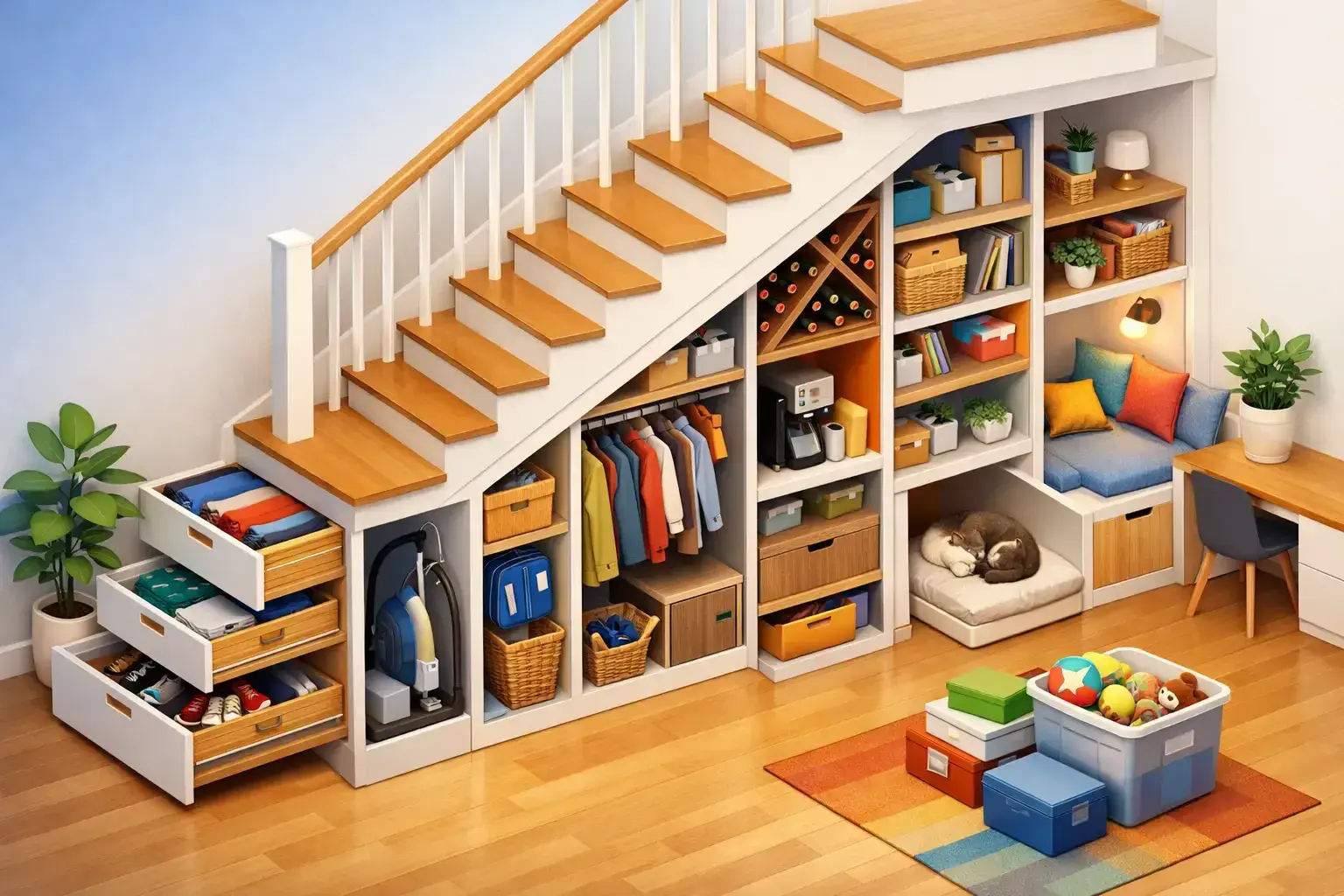
That angled space under the staircase often becomes the place where things go to disappear - shoes, seasonal bins, cleaning supplies, pet gear, and the occasional item no one knows where else to put. The right under stairs storage ideas change that completely. Instead of a dead zone or a clutter trap, this overlooked area can become one of the smartest and best-looking storage features in your home.
What makes under-stair storage so valuable is not just the extra square footage. It is the chance to solve everyday friction in a way that feels integrated with the rest of the house. A well-designed solution can reduce visual clutter, improve traffic flow, and make essentials easier to reach without sacrificing style.
Why under stairs storage ideas are worth planning carefully
Under-stair spaces are rarely simple. Ceiling height changes from one end to the other, access points can be awkward, and nearby hallways often need to stay open and comfortable. That is exactly why a custom approach matters.
A basic shelf or freestanding cabinet may technically fit the area, but it often wastes the deepest sections or leaves visible gaps that make the whole space feel unfinished. Better under stairs storage ideas are built around the architecture. They account for the slope, the depth, how the doors or drawers open, and what your household actually needs to store.
This is also one of those areas where appearance matters as much as function. Because staircases are typically located in highly visible parts of the home, storage under them needs to feel intentional. The best results do not look like an afterthought. They look like part of the home from the start.
Start with how the space sits in your daily routine
Before choosing a layout, consider what happens around the staircase every day. If it is near the front door, this may be the right place for shoes, backpacks, umbrellas, and grab-and-go items. If it is closer to the kitchen or living area, it may work better as a pantry extension, beverage station, or closed storage for entertaining essentials.
This is where many homeowners go wrong. They start with a storage product instead of the actual problem they want to solve. The better approach is to define the purpose first. Once that is clear, the design becomes much easier to get right.
Pull-out drawers for easy access
Deep pull-out drawers are one of the most effective under-stair solutions because they make the full depth of the space usable. Instead of crouching into a dark cavity to reach something in the back, you bring the contents out to you.
This works especially well for shoes, sports equipment, pet supplies, and bulk household items. Full-extension hardware matters here. If the drawer only opens partway, the deepest storage still becomes wasted storage.
For households that want a cleaner visual finish, drawer fronts can be designed to blend into wall paneling or millwork. The result feels tailored and quiet rather than obviously utilitarian.
Cabinet doors for concealed everyday storage
If you need flexibility, cabinets are often the most practical choice. Behind a series of custom doors, you can mix adjustable shelving, fixed compartments, and taller vertical sections for items like vacuums, mops, or folding strollers.
The advantage of cabinet storage is that it keeps everything out of sight while allowing the interior to do more than one job. The trade-off is accessibility. In tighter hallways, door swing can be a limitation, so the layout has to respect the surrounding clearance.
That is one reason professional planning pays off. A polished result is not just about fitting cabinets under the stairs. It is about making sure they function comfortably in real life.
A mudroom-style drop zone
When the staircase sits near an entry, one of the strongest under stairs storage ideas is turning it into a compact mudroom. This can include closed cabinetry below, open cubbies for daily essentials, and a bench for putting on shoes.
For busy families, this kind of setup brings order to a part of the home that tends to collect clutter fast. It gives everyone a defined place for the items that usually end up on the floor or over the nearest chair.
Materials matter here because this area takes heavy use. Durable finishes, easy-clean surfaces, and hardware that stands up to daily traffic will always outperform quick fixes.
A hidden pantry or beverage station
In homes where the staircase is close to the kitchen, under-stair storage can support entertaining and overflow storage beautifully. Shelving for dry goods, appliances, serving pieces, or beverages can free up valuable kitchen cabinetry and make the main cooking area feel less crowded.
This idea works best when the design is intentional enough to feel like an extension of the kitchen rather than a separate storage closet. Matching finishes, coordinated hardware, and thoughtful lighting can make a big difference.
If the space will hold food or drinks, ventilation and temperature are worth discussing early. Not every under-stair cavity is ideal for the same use, especially in warmer climates.
Built-in bookshelves or display storage
Some homeowners do not need more hidden storage. They need a way to make the space feel more finished and architectural. Built-in shelving under the stairs can do exactly that, especially in living rooms, hallways, or open-plan spaces.
This approach is ideal for books, decorative objects, framed photos, and curated display pieces. It adds personality while still making use of square footage that might otherwise sit empty.
Open shelving does require discipline. If the goal is to hide household clutter, closed storage will be more effective. But if you want to add warmth and character, display shelving can be a strong design feature.
A compact home office nook
For households that need every inch to work harder, the space under the stairs can become a highly functional workspace. A built-in desk, overhead shelving, and concealed storage for office supplies can create a small but efficient station for paying bills, handling homework, or working remotely.
This solution depends heavily on location. If the staircase is in a noisy, high-traffic area, it may not be ideal for focused work. But for short tasks and light daily use, it can be a smart alternative to dedicating an entire room to office space.
Good lighting is essential here. Without it, even a well-built desk area can feel cramped.
Pet-friendly storage and built-ins
Under-stair spaces can also be designed around pets in a way that keeps their essentials organized and integrated into the home. Closed cabinetry can store food, leashes, toys, and grooming supplies, while part of the footprint can be used for a built-in feeding station or tucked-away bed.
This is especially useful when pet items tend to migrate into the kitchen, laundry room, or entryway. Giving them a permanent home reduces clutter and makes routines easier.
As with any specialty use, measurements matter. Food bins, crates, and bowls need to fit the design rather than being squeezed in later.
Wine storage or a statement feature
If your goal is less about utility and more about lifestyle, the area under the stairs can become a striking focal point. Custom wine storage, a glass-front display, or a refined beverage area can add a tailored, high-end feel to the home.
This kind of installation works best when it complements the architecture instead of competing with it. Clean lines, balanced proportions, and quality materials are what make it feel elevated rather than trendy.
The practical question is whether this is the best use of the space for your household. For some homeowners, the answer is yes. For others, daily storage needs should come first, with display elements woven in where possible.
Mixed-use storage usually works best
In many homes, the smartest answer is not one single idea. It is a combination. Drawers on the lower side, taller cabinets on the higher side, and a niche or shelf for quick-access items can make the entire footprint more useful.
This is often where custom design stands apart. Standard solutions tend to force the space into one category. A tailored plan lets the space serve multiple needs without feeling crowded or visually busy.
At Closets Beyond, this kind of planning is what transforms an awkward area into a finished feature that supports the way a home actually functions. The difference is not just storage capacity. It is how natural and effortless the result feels once it is installed.
What to consider before building under-stair storage
The most successful under stairs storage ideas balance access, appearance, and longevity. That means thinking beyond the interior layout. Door style, drawer hardware, finish selections, trim details, and how the storage ties into nearby rooms all matter.
You also want to plan around what should stay hidden and what can stay visible. Open shelving looks beautiful when it is styled well, but concealed storage is often the better answer for real family life. Neither is universally right. It depends on your habits, your layout, and how polished you want the final look to feel.
It is also worth considering whether the project touches other parts of the home. Sometimes under-stair storage is a standalone upgrade. Other times it is part of a larger transformation involving millwork, flooring, lighting, or adjacent remodeling work. Coordinating those decisions early usually leads to a more cohesive result.
The best spaces in a home are not always the biggest. Often, they are the ones that have been planned with the most intention. Under the stairs is a perfect example - a small footprint with the potential to bring more order, more beauty, and more ease to everyday life.
See your space in 3D before anything is built.
Every consultation includes a 3D design of your space. Your designer measures, plans it with you and gives you a quote that fits your budget.
- 5.0 from 24 Google reviews
- Lifetime guarantee on our imported materials
954-213-5836Open Mon–Sat 8–6